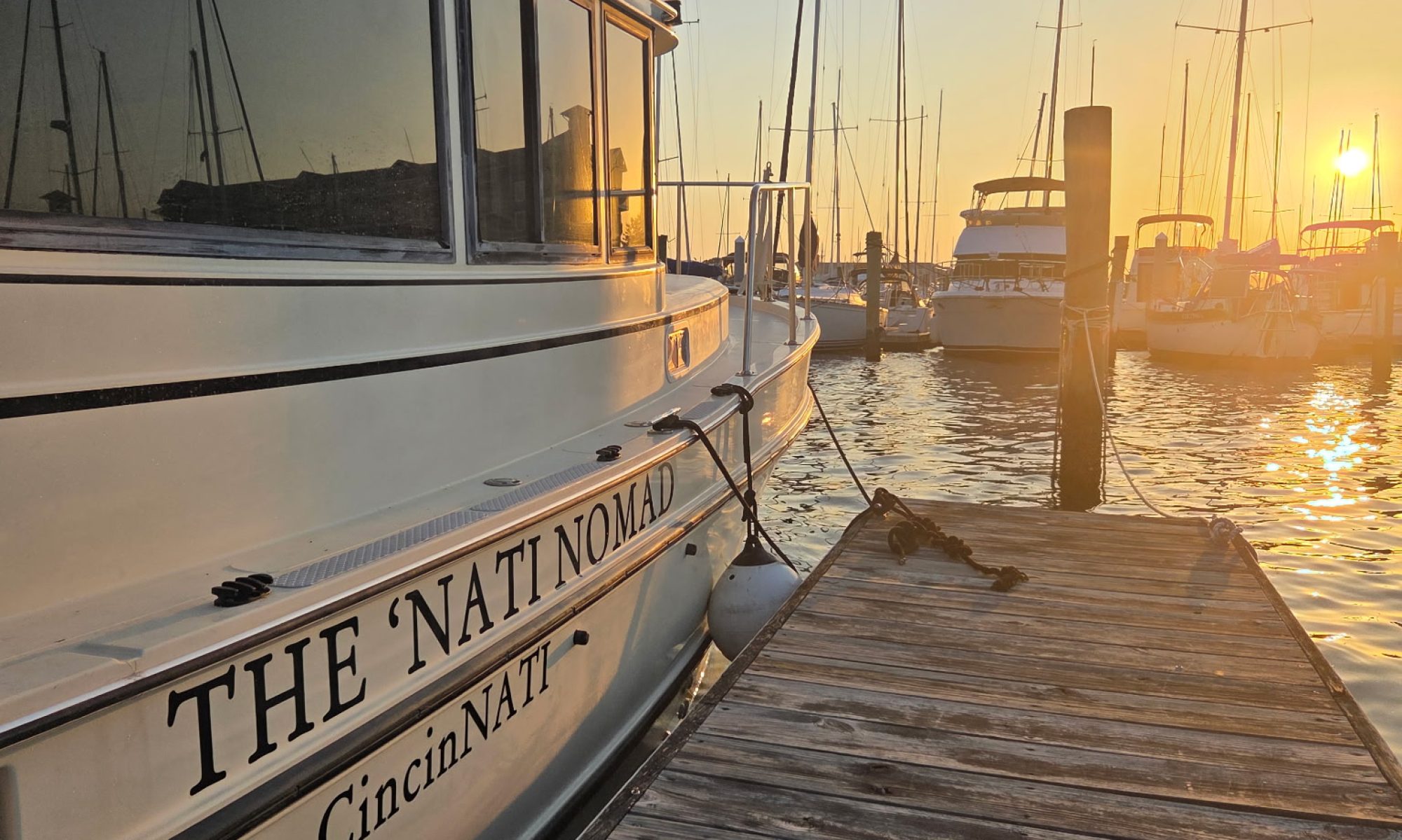

Yap, quirky little Yap in the Federated States of Micronesia. What a unique little island filled with super chill people, which might possibly be linked to all the Betel Nut use. My best dive buddy Sue, and I booked a trip to Palau with our friends, Meg and Terry from the California Academy of Sciences, and decided if we were going to go all that way, we should add a pre-trip to Yap. We started in Cincinnati and had layovers in Houston, Tokyo, and Guam. There are only 2 flights to Yap from Guam and only 2 flights back to Guam per week and for some reason, they are all in the middle of the night. There are only 2 resorts with the only 2 dive shops on the island. Our shuttle picked us up at the airport and we arrived at 2am to the Manta Ray Bay Resort. We were beat so we went to bed and were ready for our first dives 6 hours later!


Yap is known for incredible diving year-round, with a 99% chance of seeing the magnificent giant manta rays. Sightings are so frequent that many of them have been identified based on their unique freckles on their underbellies (much like notches on whales’ tails) and named. Stammtisch is a popular dive site and borrowed from a German word meaning “regulars’ table” because it is a popular place for mantas to drive through for a cleaning. This graceful lady we saw is Melissa. Fifteen feet of fabulous!
It is sometimes a struggle to balance responsible tourism and supporting the local economy. I do not condone shark feeding in general because it can cause reliance on human sources for food. That said, this tiny island relies on the diving industry to support their economy. There is literally nothing else to do in Yap and from what I had seen so far, this culture cares deeply about protecting their natural resources and they do not feed them daily. Plus, I had never done it before so when asked, I was all in. Although I will never seek out shark feedings, this was really cool and I am glad I got to see it here.
Even without feeding the sharks, we saw lots of badass sharks on our dives. Whitetips, Blacktips, and Gray Reef Sharks. At the end of the third video (14 seconds), I am the ascending diver in the pink wetsuit – she was coming to say hello.
In addition to the big stuff, the reefs in Yap are vibrant and healthy. The diving was easy, the boat rides were super fun, and the daily bento boxes for lunch were yummy.


Besides spectacular diving, Yap is also known for their rai – stone money. Rai stones are made primarily of limestone but there is no limestone native to Yap. In the 19th century, Yapese would canoe 250 miles to Palau to carve giant circles of limestone from caves and transport them back to Yap on rafts pulled behind their canoes. Their value was based on the size, quality, and the difficulty of the journey bringing them home and were used, and still sometimes are, as currency in important transactions like marriage, politics, or establishing alliances. Interestingly, the stones still hold value and ownership regardless of where the stone physically sits. There are several rai that we saw diving and although they are at the bottom of the ocean, they still belong to someone and still have value. Some of the ownership records have been lost over time, but a surprising number of these are still accounted for through the community’s oral history. This means that it does no good to steal someone’s stone money and if you use your stone money in a transaction, odds are it is still going to sit in front of your house even if it now belongs to your business partner.


Yap was a powerful force in the region until the 16th century when it was taken over by Spain, then Germany, then Japan, then the United States. It is located between Philippines and Guam and was occupied by the Japanese during WWII. The US bombed Yap almost daily from June 1944 to August 1945 leaving behind wreckage from Japanese and American planes, many of which remain with memorials to those who died. Evidence of battles still exist in tunnels, bunkers, and rusted out weaponry. Today, it is one of the four states within the Federated States of Micronesia and even throughout its tumultuous history, the Yapese culture persists. We took a half day tour on our detox day (from nitrogen, not alcohol) to do a little birdwatching and visit some of the WWII historical sites.


Unfortunately, Yap is also known as the epicenter of Betel Nut use and we ran into a group of dentists on an outreach mission from a military base in Guam. Betel Nut is used by 600 million people worldwide and is a stimulant and narcotic. Betel Nut rots teeth, turns gums a bloody red from the juice, and leads to oral and esophageal cancers. Often, the nuts are wrapped in lime which causes further damage. Betel Nut users spit out the juice like tobacco users. As an outsider, it was initially disturbing, but it is socially acceptable in Yap and it is very rare to see anyone over 18 with white teeth and healthy gums. To anyone wondering…no, I did not try it!


After 9 dives, it was time to move on from Yap. The only consolation was that we were heading to Palau next for more diving! For anyone planning on Palau, I would highly recommend a short stop either before or after in this lovely, little, unique paradise island of Yap. If you go, make sure to eat at Oceania – 10/10 recommend!
What a different world out there. Amazing!
You always teach me something new
I always learn something new! 🙂